Today, the New Orleans Jazz & Heritage Festival draws hundreds of thousands of visitors from around the world, showcases more than 5,000 musicians, and stands as one of the most culturally rich festivals on the planet. But its beginnings were far humbler — and far more New Orleans — than most people realize.
Let’s take a journey back to where it all began.
 The Spark: A City Bursting With Music (1960s)
By the late 1960s, New Orleans was already known as the birthplace of jazz, but the city didn’t yet have a festival that truly celebrated its musical roots. Enter George Wein, the legendary festival producer behind the Newport Jazz Festival. Wein believed New Orleans deserved a world‑class event that honored its culture, its people, and its sound.
He didn’t want a typical music festival. He wanted something authentic, something that felt like New Orleans from the inside out.
 1970: The First Jazz Fest — Small, But Magical
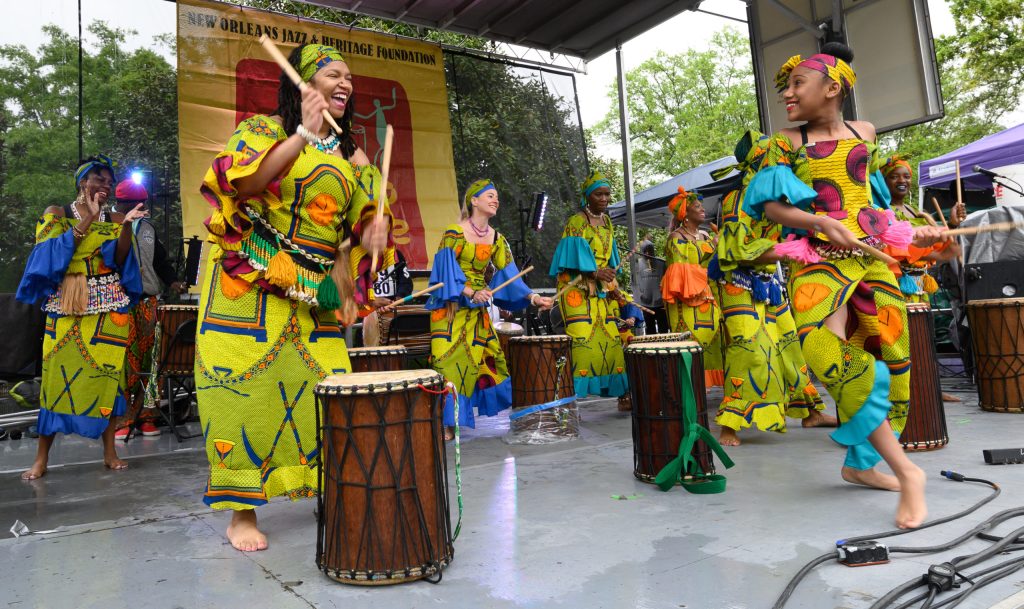
The very first Jazz Fest took place in 1970 in Congo Square — a location chosen for its deep cultural significance. Congo Square was where enslaved Africans once gathered on Sundays to drum, dance, and keep their traditions alive. It was the heartbeat of early African American music in the city.
That first festival was tiny by today’s standards. Fewer than 400 people attended.
But the lineup? Pure New Orleans gold.
- Mahalia Jackson
- Duke Ellington
- The Olympia Brass Band
- Al Hirt
- Pete Fountain
At one point, Mahalia Jackson joined the Olympia Brass Band in an impromptu street parade — a moment so powerful it became part of Jazz Fest legend.
Even with its small crowd, the festival had something special: soul, spontaneity, and community.
 The 1970s–1980s: Growing Roots at the Fair Grounds
By 1972, Jazz Fest moved to its now‑iconic home at the Fair Grounds Race Course. With more space came more music, more food, more art, and more visitors.
The festival grew steadily through the ’70s and ’80s, adding:
- Multiple music stages
- Local food vendors
- Craft markets
- Cultural demonstrations
- Mardi Gras Indians
- Social Aid & Pleasure Clubs
It wasn’t just a music festival anymore — it was a celebration of New Orleans culture in all its forms.
 The 1990s–2000s: From Regional Gem to Global Destination
By the 1990s, Jazz Fest had become a major international event. Big‑name headliners started appearing alongside local legends, drawing global attention.
Artists like:
- Aretha Franklin
- Ray Charles
- Fats Domino
- Santana
- The Neville Brothers
- Dave Matthews Band
- Bruce Springsteen
The festival expanded to eight days, added more stages, and welcomed hundreds of thousands of attendees each year.
Even after Hurricane Katrina in 2005, Jazz Fest returned stronger than ever — becoming a symbol of resilience and cultural pride.
 Today: One of the Largest Cultural Festivals in the World
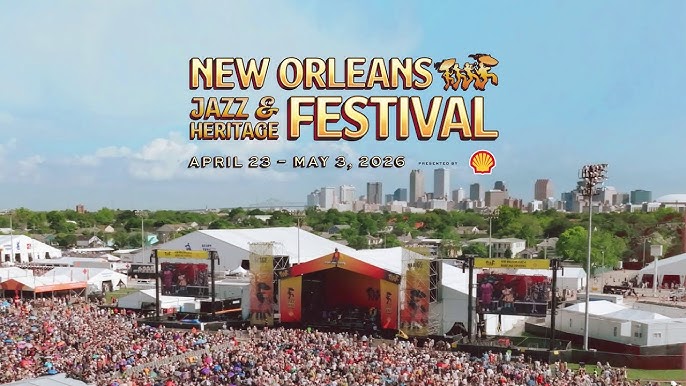
Fast forward to today, and Jazz Fest is bigger than anyone in 1970 could have imagined.
- 5,000+ musicians
- 14 stages
- Hundreds of food vendors
- Tens of thousands of visitors per day
- Global headliners mixed with local icons
- A massive Cultural Exchange Pavilion each year
- A nonprofit foundation that reinvests millions into Louisiana communities
Despite its size, the festival has never lost its heart. It still celebrates the same things it did in 1970:
- New Orleans music
- New Orleans food
- New Orleans culture
- New Orleans people
It’s a festival built on authenticity — and that’s why it continues to grow.
 Why Jazz Fest Keeps Getting Bigger
Jazz Fest thrives because it offers something no other festival can match:
- A living culture, not just performances
- Generations of musicians sharing stages
- Food that tells a story
- Traditions that go back centuries
- A city that knows how to celebrate life
People don’t just attend Jazz Fest — they experience it.
 Final Thoughts
From a small gathering in Congo Square to a world‑renowned cultural celebration, the New Orleans Jazz & Heritage Festival has grown into a symbol of the city’s spirit, resilience, and creativity.
It’s not just a festival. It’s a tradition. It’s a homecoming. It’s New Orleans at its best.
opens in a new windowwww.1896omalleyhouse.com